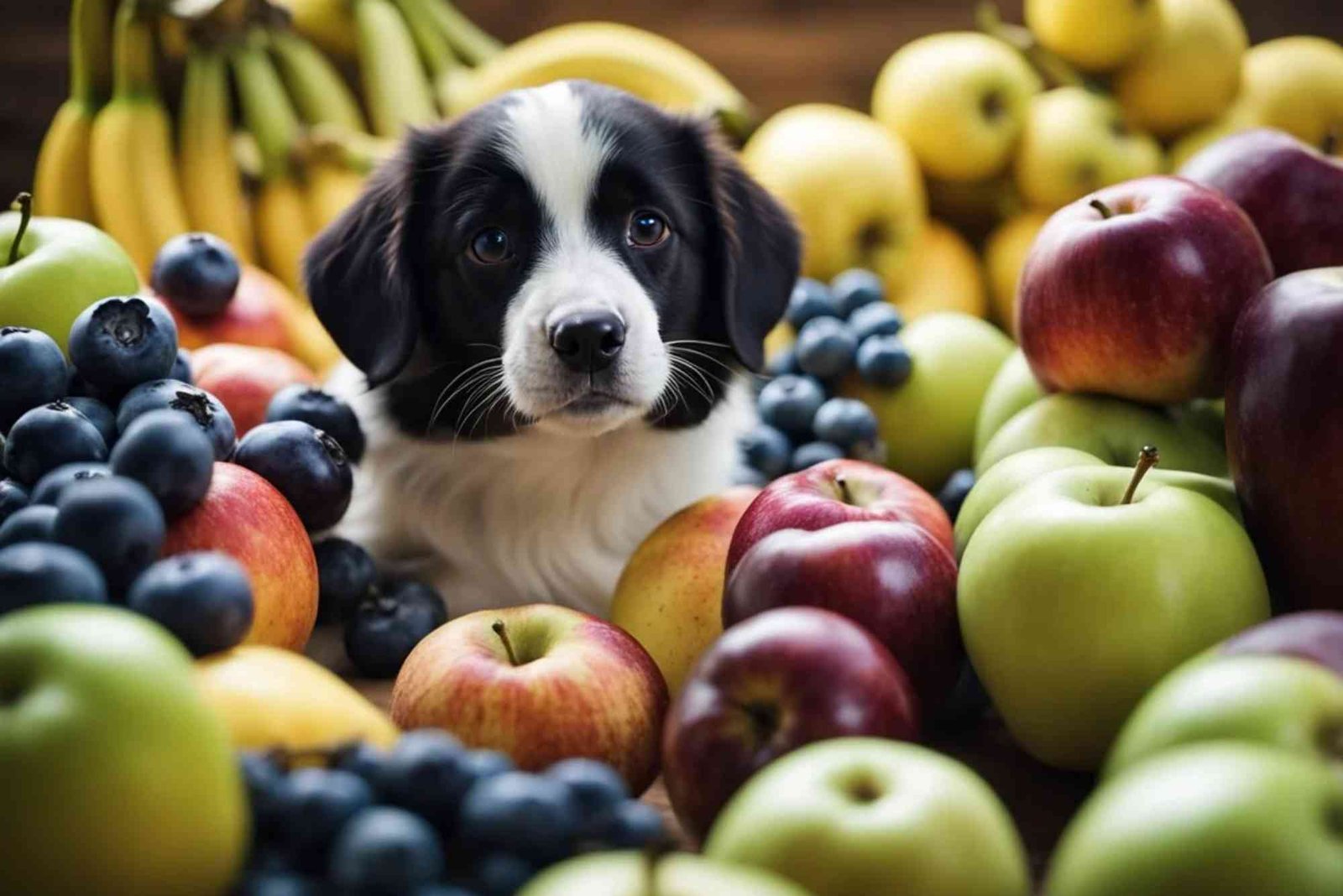
Can Dogs Eat Apples, Bananas, and Carrots? Fiber Benefits and Choking Hazard Prevention
Can Dogs Eat Apples, Bananas, and Carrots? Fiber Benefits and Choking Hazard Prevention
Many dog owners wonder, “Can Dogs Eat Apples, Bananas, and Carrots? Fiber Benefits and Choking Hazard Prevention” is an important question when choosing healthy treats. Fortunately, apples, bananas and carrots can usually be suitable for dogs. However, preparation and portion size matter greatly.
These fruits and vegetables provide useful nutrients and dietary fibre. They can also offer variety without relying entirely on commercial treats. Nevertheless, some parts can create health risks. Apple seeds, cores, large carrot pieces and chunks of banana may cause problems if offered incorrectly.
Therefore, owners should introduce these foods gradually. They should also watch their dog’s reaction after trying something new. Dogs with specific medical conditions may need a different diet. When uncertain, speak with a qualified veterinary professional before changing your dog’s food.
Are Apples Safe for Dogs?
Yes, most dogs can eat small amounts of fresh apple. Apples contain water, fibre and several vitamins. They can make a crunchy and refreshing occasional treat.
However, preparation is essential. Always wash the apple before serving it. Remove the stem, core and seeds. The seeds contain compounds that can release cyanide when crushed and consumed in sufficient quantities.
A small accidental exposure is unlikely to cause poisoning. Even so, apple seeds should never be deliberately fed to dogs.
How Should You Prepare Apples for Dogs?
Cut the apple into small, manageable pieces. The pieces should match your dog’s size and chewing ability. Smaller dogs generally need smaller pieces.
For dogs that swallow food quickly, finely chopped apple may be safer. You can also soften it slightly by steaming it without sugar or seasoning.
Avoid apple products containing added sugar. Apple pie, sweetened apple sauce and desserts can contain ingredients that are unsuitable for dogs.
Can Dogs Eat Bananas?
Bananas are generally safe for dogs when given in moderation. They contain fibre and several nutrients, including potassium. Their naturally sweet flavour also makes them appealing to many dogs.
However, bananas contain more sugar than some vegetables. Therefore, they should remain an occasional treat rather than becoming a major part of the diet.
Too much banana can contribute unnecessary calories. It may also cause digestive upset in some dogs.
What Is the Safest Way to Give a Banana?
Peel the banana completely before serving it. The peel is difficult for dogs to digest and may cause gastrointestinal problems.
Cut the fruit into small pieces. For dogs that tend to gulp treats, mash the banana before offering it.
A small amount mixed into the dog’s normal food can work well. Frozen banana pieces can also be used as occasional treats during warmer weather.
Are Carrots Good for Dogs?
Carrots are one of the more practical vegetables for many dogs. They are naturally crunchy and relatively low in calories. They also provide dietary fibre and beta-carotene.
Raw carrots can provide a satisfying texture for dogs that enjoy chewing. However, they should always be cut appropriately.
Large, hard pieces may become a choking hazard. This risk is particularly important for puppies, small breeds and dogs that swallow food rapidly.
Cooked carrots can be easier to chew. Steam or boil them without salt, butter, oil or seasoning. Allow them to cool before serving.
Can Dogs Eat Apples, Bananas, and Carrots? Fiber Benefits and Choking Hazard Prevention
The answer is generally yes, provided these foods are prepared correctly. Each option has different nutritional characteristics. Therefore, variety and moderation are more important than offering large quantities.
| Food | Potential benefit | Main concern | Safer preparation |
|---|---|---|---|
| Apple | Fibre and hydration | Seeds and core | Remove core and seeds, then chop |
| Banana | Fibre and potassium | Higher natural sugar | Peel and serve small pieces |
| Carrot | Fibre and beta-carotene | Large hard pieces | Cut small or cook until soft |
This comparison shows why preparation matters as much as the food itself. A healthy ingredient can become risky when served in an unsuitable form.
How Does Fibre Benefit Dogs?
Fibre supports normal digestive function. It can help regulate bowel movements and contribute to healthy gut function.
Apples and carrots provide dietary fibre. Bananas also contain fibre, although their higher carbohydrate content makes portion control important.
Fibre should not replace a complete and balanced canine diet. Instead, these foods should complement the dog’s normal meals as occasional treats.
Dogs have different nutritional needs depending on their age, size, activity level and health. Therefore, treats should remain a relatively small part of their overall diet.
Can Too Much Fibre Be Bad for Dogs?
Yes. Suddenly giving a dog large amounts of fruit or vegetables can cause digestive discomfort.
Possible signs include loose stools, gas or changes in bowel movements. Introduce new foods slowly and monitor your dog’s response.
If digestive problems continue, stop the new treat and contact your veterinary practice for advice.
How Can You Prevent Choking When Giving Dogs Fruit and Vegetables?
Choking prevention is one of the most important parts of feeding dogs fresh produce. Dogs often eat quickly without properly chewing their food.
The safest approach is to match the food’s size and texture to the individual dog.
Small dogs should receive very small pieces. Puppies may benefit from softer foods. Dogs that gulp their meals may need finely chopped or mashed treats.
Never leave a dog unattended with a food item that could become lodged in its throat. Supervision is especially important when introducing unfamiliar foods.
Why Are Large Pieces Dangerous?
A large piece can become lodged in the airway. Hard vegetables can also be difficult for some dogs to break apart.
Carrots are a good example. A whole carrot may be manageable for some large dogs, but it can pose a greater risk for small dogs or rapid eaters.
Cutting food into suitable pieces significantly reduces this risk. Cooking can also soften vegetables and make them easier to chew.
What Parts of Apples Should Dogs Avoid?
Dogs should not be given apple cores, stems or seeds intentionally. The core can also create a physical choking or obstruction risk.
Always remove these parts before preparing an apple treat. The flesh itself is generally the useful portion.
If your dog accidentally eats a small number of apple seeds, do not panic. Monitor the dog and contact a veterinarian if you are concerned or if a large quantity was consumed.
How Much Fruit or Vegetables Can a Dog Eat?
There is no single portion that suits every dog. A Chihuahua and a Great Dane have very different nutritional requirements.
Treats should be appropriate for the dog’s size and total daily calorie intake. Start with a small portion when introducing any new food.
For practical guidance, owners can discuss suitable treat portions with their veterinary practice. This is particularly important for overweight dogs or animals with dietary restrictions.
Resources such as PetMD Canine Safe Vegetables can also help owners understand which vegetables are commonly considered suitable for dogs. However, individual veterinary advice remains important when a dog has specific dietary needs.
Foods That Should Not Be Added to These Treats
Plain fruit and vegetables are preferable. Avoid adding ingredients commonly used in human recipes.
Sugar, chocolate, artificial sweeteners, excessive salt and heavily seasoned sauces are inappropriate for dogs. In particular, xylitol is extremely dangerous to dogs and can cause a life-threatening emergency.
Do not turn healthy ingredients into sweet desserts simply because the primary ingredient is safe.
Simple preparation is usually the best approach. Fresh, washed and appropriately cut produce is easier to manage.
Can Dogs Eat These Foods During Travel?
Owners travelling with dogs should plan their pet’s diet carefully. Sudden dietary changes can lead to stomach upset, particularly during stressful journeys.
A consistent feeding routine can help. Treats should also be stored safely and offered in familiar portions.
When travelling internationally, food choices are only one part of preparation. Owners should also understand relevant Pet Relocation Protocols before travelling with an animal.
For international travel arrangements, documentation, transport requirements and destination rules can vary considerably. Owners should therefore check current requirements well before departure.
Information from Dubaiconsul may also be useful when researching travel-related requirements, depending on the destination and circumstances.
What Should You Do If Your Dog Chokes?
Choking should always be treated as an emergency. A dog struggling to breathe requires immediate attention.
Signs can include severe coughing, difficulty breathing, pawing at the mouth, panic or collapse.
Do not blindly push your fingers into the dog’s mouth. This could cause injury or push the obstruction deeper.
Contact an emergency veterinary service immediately if your dog cannot breathe normally. Even if the object is removed, veterinary assessment may still be necessary.
Can Dogs Eat Apples, Bananas, and Carrots? Fiber Benefits and Choking Hazard Prevention: Key Takeaway
So, can dogs eat apples, bananas, and carrots? In most cases, yes. These foods can provide useful fibre and nutrients when offered as occasional treats.
The biggest priorities are preparation, portion control and supervision. Remove apple seeds and cores. Peel bananas and serve small portions. Cut carrots into suitable pieces or cook them until soft.
Most importantly, remember that individual dogs are different. A food that suits one dog may cause digestive problems for another. Introduce new treats gradually and monitor your pet carefully.
Healthy treats should complement a complete canine diet rather than replace it. If your dog has allergies, digestive problems, diabetes, obesity or another health concern, ask your veterinarian before introducing new foods.
Frequently Asked Questions About Dogs Eating Fruit and Vegetables
Can dogs eat apples?
Yes, most dogs can eat small amounts of fresh apple. Remove the seeds, stem and core first. Chop the apple into appropriately sized pieces to reduce choking risk.
Can dogs eat bananas?
Yes, dogs can generally eat banana in moderation. Always remove the peel and offer small pieces. Because bananas contain natural sugar, they should remain an occasional treat.
Can dogs eat carrots every day?
Some dogs can have small amounts of carrot regularly. However, carrots should not replace a complete and balanced diet. Portion size should reflect the dog’s overall nutritional needs.
What vegetables are safe for dogs?
Several vegetables can be suitable for dogs when prepared correctly. Carrots, green beans and some types of squash are commonly used as dog-friendly options.
However, preparation and individual tolerance matter. Always avoid adding harmful seasonings or ingredients.
Can dogs eat apple skin?
Healthy dogs can generally tolerate apple skin when the apple is thoroughly washed. Nevertheless, remove the core, stem and seeds. For dogs with sensitive digestion, peeled apple may be easier to tolerate.
Can dogs choke on carrots?
Yes. Large or hard carrot pieces can become a choking hazard. Cut carrots into small pieces based on your dog’s size and chewing habits.
What should I do if my dog eats an apple core?
Monitor your dog and contact your veterinarian for personalised advice. The risk depends on the amount consumed and the dog’s size. Seek urgent help if your dog shows breathing difficulties, severe distress or other concerning symptoms.
Conclusion
Can Dogs Eat Apples, Bananas, and Carrots? Fiber Benefits and Choking Hazard Prevention is ultimately about more than identifying safe foods. It is about serving them responsibly.
Apples, bananas and carrots can provide fibre and variety when used appropriately. However, preparation, moderation and supervision are essential.
Start with small portions and introduce new foods gradually. Always remove potentially hazardous parts and cut food into suitable pieces.
For more guidance about safe foods and responsible pet care, consult your veterinarian and use reliable canine nutrition resources. Taking a few simple precautions can help make healthy treats safer and more enjoyable for your dog.
Related Reading: كل ما تحتاج معرفته عن تخصص الأسنان والحفاظ على صحة فمك