Introduction
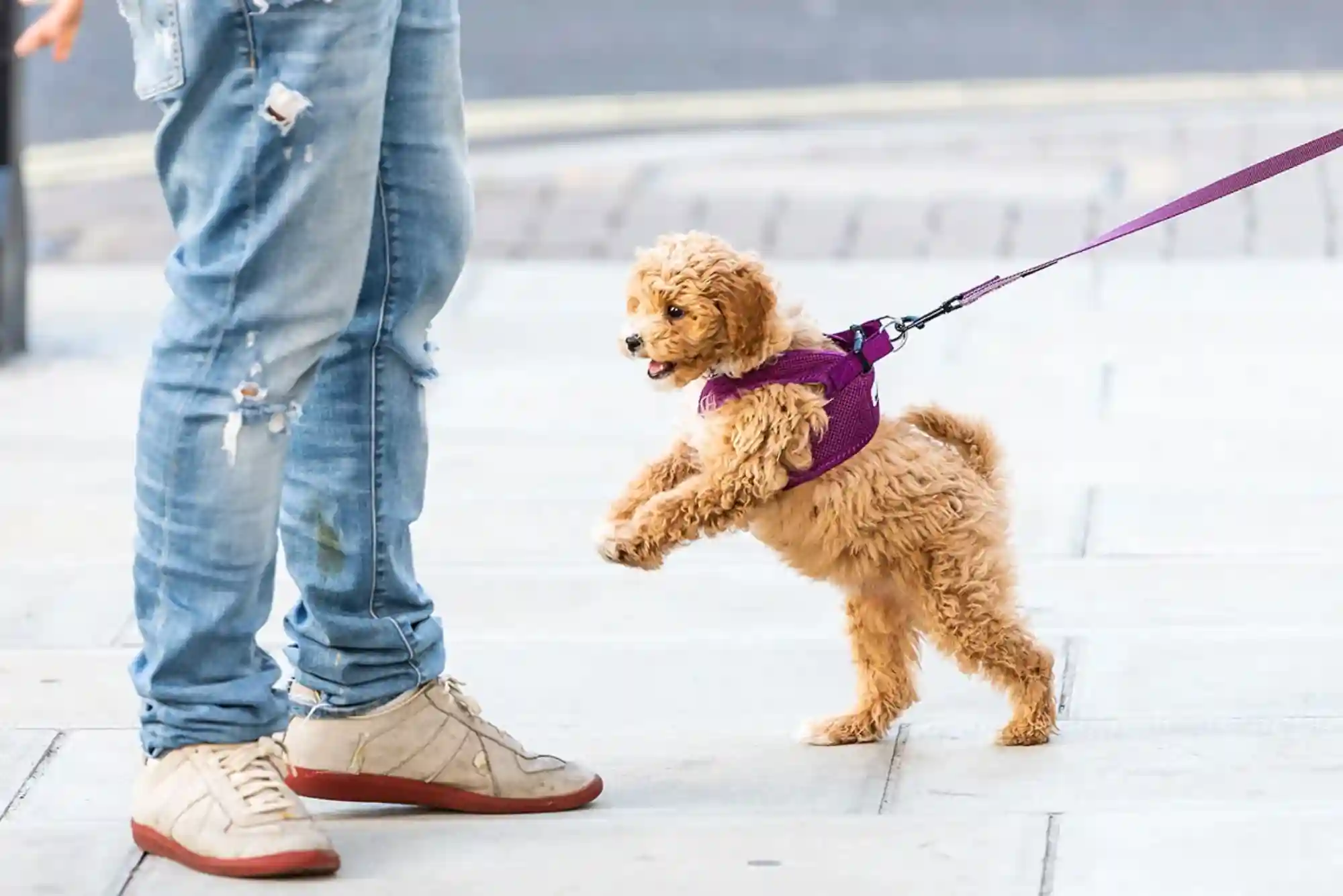
Walking a powerful dog can be challenging when ordinary harnesses allow constant pulling, slipping, or pressure around the neck. The best heavy duty no-pull harnesses are designed to give owners better control while distributing pressure more comfortably across the dog’s body. For muscular breeds such as Pitbulls and Boxers, as well as energetic strong pullers of any breed, choosing the right harness can make daily walks safer and more manageable.
A good harness is not simply a piece of equipment that stops a dog from moving forward. It should fit securely, resist wear, provide reliable attachment points, and work alongside positive training. The right design can help reduce pulling without relying on excessive force. This guide explains what to look for, how different harness features work, and how to choose a dependable option for a strong dog.
Why Heavy Duty No-Pull Harnesses Matter
Strong dogs can generate considerable force when they become excited by another dog, wildlife, traffic, or an interesting scent. A lightweight harness may stretch, shift position, or place uncomfortable pressure on particular areas of the body.
The best heavy duty no-pull harnesses combine durable construction with a design intended to improve handling. Instead of depending entirely on the strength of the handler, they give the person greater mechanical control while allowing the dog to walk naturally.
For Pitbulls and Boxers, durability is particularly important because both breeds can be muscular and energetic. However, breed alone should not determine harness selection. A smaller dog that pulls intensely may require equally robust equipment.
A harness should also be viewed as a training aid rather than a permanent solution to pulling. Consistent loose-leash training remains essential.

What Makes the Best Heavy Duty No-Pull Harnesses?
The strongest-looking harness is not automatically the safest or most effective. Construction, fit, control and comfort all matter.
Durable Materials and Reinforced Stitching
A heavy-duty harness should withstand repeated tension without fraying or losing its shape. Look for strong webbing, reinforced seams, quality buckles and securely attached leash points.
Metal hardware can offer excellent durability, but it may add weight. High-quality reinforced polymer components can also be suitable when properly designed and rated for the dog’s size.
Pay attention to the areas that experience the most stress, particularly the leash attachment and adjustment points.
Front and Back Leash Attachments
Many no-pull designs include a front chest attachment. When a dog pulls against a front connection, the harness can redirect some of the forward momentum toward the handler rather than allowing the dog to drive straight ahead.
A back attachment is useful for ordinary walking and dogs that have already developed good leash manners. Some owners prefer a dual-clip configuration because it offers flexibility in different situations.
However, the attachment point should never replace training. A dog can still pull while wearing a no-pull harness.
Secure Buckles and Adjustments
Strong dogs can exploit loose equipment surprisingly quickly. A secure harness should remain properly positioned during movement without restricting normal shoulder and leg motion.
Multiple adjustment points are useful because dogs have different chest, neck and body proportions. After fitting, you should be able to place a couple of fingers comfortably between the harness and the dog’s body, while ensuring the dog cannot back out of it.
Choosing a Harness for Pitbulls
Pitbull-type dogs are often powerful relative to their size, so owners should prioritize secure construction and an appropriate fit.
A harness for a muscular Pitbull should sit securely around the chest without digging into the armpits. The straps should not interfere with the front legs during walking, running or turning.
The best heavy duty no-pull harnesses for Pitbulls should also have dependable attachment points because sudden lunges can put substantial stress on the hardware.
Avoid choosing a harness simply because the manufacturer describes it as “indestructible.” Instead, examine the construction, adjustment system and suitability for your dog’s measurements.
Choosing a Harness for Boxers
Boxers are athletic, energetic dogs that can become enthusiastic walkers. Their deep chest and active movement make proper fitting particularly important.
A harness that is too loose may shift from side to side. One that is too tight can restrict movement or create rubbing, particularly behind the front legs.
When selecting from the best heavy duty no-pull harnesses, look for a model that follows the dog’s chest comfortably while leaving sufficient room for natural shoulder movement.
Because Boxers can be very active, breathable materials may also be valuable for warm-weather walks. Durability should not come at the expense of comfort.
What About Other Strong Pullers?
You do not need a Pitbull or Boxer to benefit from a heavy-duty harness. Dogs of many breeds and mixes can pull strongly, especially when young, excited or insufficiently trained.
German Shepherds, Huskies, Labradors, Rottweilers and many athletic mixed-breed dogs may all benefit from equipment designed for stronger handling needs.
The most important factor is the individual dog. Consider body shape, weight, strength, behavior and walking environment instead of relying exclusively on breed labels.
How to Get the Right Harness Fit
Even an excellent harness can become ineffective if it does not fit correctly.
Start by measuring the dog’s chest according to the manufacturer’s instructions. Usually, the measurement is taken around the deepest part of the rib cage. Compare the measurement with the specific sizing chart rather than assuming that a particular size will fit based on weight alone.
After putting the harness on, inspect the position while the dog is standing and walking. The harness should remain stable without shifting dramatically from one side to the other.
Check the area behind the front legs for rubbing. If straps repeatedly contact sensitive skin, adjustment or a different design may be necessary.
A secure fit is especially important when using the front attachment. The dog should not be able to reverse out of the harness when startled or determined to escape.
No-Pull Harnesses and Dog Training
Equipment works best when combined with clear, consistent training.
If the dog pulls, stopping or changing direction can prevent pulling from being rewarded with forward movement. When the leash becomes loose again, walking can continue. Rewarding calm behavior helps the dog understand that loose-leash walking produces positive outcomes.
Short training sessions are usually easier for highly energetic dogs. Begin in a low-distraction environment and gradually introduce more challenging locations.
For additional guidance on preventing pulling, the Whole Dog Journal Pulling Prevention resource can provide useful training information.
The goal is not to make the dog uncomfortable whenever it pulls. The goal is to teach the dog that walking calmly beside the handler is rewarding.
Common Mistakes When Using Heavy Duty Harnesses
One common mistake is assuming that a no-pull harness automatically eliminates pulling. It does not. It can improve handling, but the dog’s behavior still needs to be addressed.
Another mistake is selecting the strongest possible harness without considering movement. A harness can be extremely durable yet poorly designed for a particular dog’s body.
Owners should also inspect equipment regularly. Look for loose stitching, damaged webbing, cracked buckles, worn attachment points and other signs of deterioration. Heavy-duty equipment is still subject to wear.
Finally, avoid leaving a harness on an unattended dog unless the manufacturer specifically indicates that it is appropriate. Harnesses can catch on objects and create safety hazards.
Heavy Duty Does Not Mean Uncomfortable
There is sometimes a misconception that strong dogs need stiff, restrictive equipment. In reality, comfort is an important part of good harness design.
Padding can reduce rubbing, while carefully positioned straps can help distribute pressure. Breathable materials may be preferable for dogs walking in hot or humid environments.
Watch your dog’s body language after fitting the harness. Excessive scratching, reluctance to move, repeated attempts to remove the harness, or visible rubbing may indicate a fitting or design problem.
A dog that is comfortable is generally easier to train and more likely to accept walking equipment positively.
Using a Heavy Duty Harness for Travel
A secure harness can also be useful during travel, particularly when a dog needs to be transferred between a vehicle, airport, hotel and unfamiliar surroundings.
Travel situations can expose dogs to unusual noises, crowds and distractions, increasing the possibility of sudden movement. Reliable walking equipment therefore becomes an important part of preparation.
If you’re planning international travel with a dog, understanding Pet Relocation Protocols can help you prepare for documentation, transport and destination requirements.
For broader travel-related information and services, you can also explore Dubaiconsul.
How to Introduce a No-Pull Harness
Some dogs immediately accept a harness, while others need time to become comfortable with it.
Start by allowing the dog to investigate the harness without putting it on. Reward calm interest. Next, place it on briefly and offer treats or another positive reward.
Keep the first few sessions short. Once the dog appears relaxed, attach the leash and walk indoors or in a quiet area.
Avoid turning the first harness experience into a demanding training session. Positive associations can make future walks much easier.
When a Harness Is Not Enough
A harness can improve physical control, but some dogs have serious reactivity, fear or frustration around particular triggers. In these situations, equipment should be combined with appropriate behavioral training.
If a dog repeatedly lunges toward people, animals or vehicles, professional guidance may be worthwhile. A qualified force-free trainer can help identify triggers and develop a structured training plan.
Owners should also remember that no walking product can guarantee that a strong dog will never escape. Secure handling, awareness and appropriate training remain essential.
How to Choose Between Different Harness Designs
When comparing the best heavy duty no-pull harnesses, think about how and where the dog will be walked.
For everyday neighborhood walks, a comfortable front-clip design may provide useful control. For trained dogs that rarely pull, a back attachment may be sufficient. For particularly strong dogs, a dual-attachment system can provide additional handling flexibility.
Consider adjustability, materials, weight, visibility, ease of cleaning and the dog’s individual body shape. A harness that works brilliantly for one dog may be poorly suited to another.
Price is also worth considering, but the cheapest option is not necessarily the best value. A durable, well-fitting harness that lasts for years can be more economical than repeatedly replacing poorly constructed equipment.
Best Heavy Duty No-Pull Harnesses
Finding the best heavy duty no-pull harnesses is ultimately about balancing strength, fit, comfort and control. Pitbulls, Boxers and other strong pullers need equipment capable of handling their power, but durability should never come at the cost of healthy movement or comfort.
Look for secure construction, reliable attachment points, useful adjustment options and a design suited to your dog’s body. Most importantly, combine the harness with consistent loose-leash training rather than expecting equipment alone to solve pulling.
FAQs
Are no-pull harnesses good for strong dogs?
Yes. A well-fitted no-pull harness can provide better handling and redirect some of a dog’s pulling force. It should be used alongside appropriate leash training.
What is the strongest harness for a Pitbull?
The best choice depends on the individual dog’s measurements and behavior. Look for reinforced construction, secure buckles, durable leash attachments and a design that does not restrict shoulder movement.
Do no-pull harnesses stop dogs from pulling?
No. They can reduce the mechanical advantage a dog gets from pulling and make handling easier, but training is still necessary to teach loose-leash walking.
Is a front-clip harness better for dogs that pull?
A front attachment can provide additional steering and control when a dog pulls forward. However, its effectiveness depends on proper fitting and the dog’s individual behavior.
Can a strong dog break a harness?
A powerful dog can damage poorly constructed equipment, particularly if it repeatedly lunges. Regularly inspect stitching, webbing, buckles and leash attachment points, and replace damaged equipment immediately.
How tight should a heavy-duty dog harness be?
It should be secure without being restrictive. You should generally be able to fit approximately two fingers between the harness and the dog’s body, while checking that the dog cannot back out of it.