Introduction
Grooming is a natural and healthy daily habit for every feline. Cats spend a massive portion of their waking hours licking their coats to stay clean. However, their tiny, hook-like tongue structures trap loose fur, which gets swallowed during the process. Most swallowed hair passes smoothly through the digestive tract and ends up in the litter box.
Sometimes, ingested hair stays in the stomach and forms a dense wad. When this mass becomes too large to enter the small intestine, your cat hacks it up. Frequent coughing, gagging, or hacking up unpleasant hairballs indicates your pet needs digestive support. Untreated hairball buildup can lead to intestinal blockages, severe constipation, and painful medical emergencies.
Understanding the Root Causes of Feline Hairballs
Hairballs are not a true disease, but frequent hairballs can signal an underlying digestive issue. Long-haired breeds, such as Persians, Maine Coons, and Ragdolls, naturally swallow more fur during daily grooming routines. Seasonal shedding periods also trigger increased hair ingestion for short-haired cats.
A healthy feline digestive system should comfortably transport small amounts of fur out through regular bowel movements. Reduced gut motility, inadequate dietary moisture, and lack of fiber slow down the movement of food through the stomach. As a result, hair sits in the stomach, tumbling continuously until it turns into a compact mass.
Stress and skin allergies can also prompt excessive self-grooming, known as psychogenic alopecia. When a cat grooms compulsively due to itching or anxiety, the digestive tract becomes flooded with excess fur. Addressing both the mechanical breakdown of hair and your cat’s overall digestive health provides the most complete protection.
Vaseline for Cat Hairballs: Cheap Quick Fix or Safety Risk?
Petroleum jelly, commonly sold as Vaseline, is a classic home remedy that pet owners have used for decades. It works as an intestinal lubricant. When ingested, the jelly coats the lining of the stomach and intestines, allowing trapped fur to slide out smoothly in the stool.

How Pet Parents Administer Petroleum Jelly
Most owners smear a tiny dab of Vaseline—about a quarter-teaspoon—directly on a cat’s front paw or nose. Because cats are fastidious cleaners, they lick off the jelly right away. Some owners mix it into wet food, though many cats reject the unflavored, thick texture.
Advantages of Vaseline
Vaseline is extremely inexpensive and readily available in almost every household. It provides quick temporary lubrication for hairballs stuck inside the digestive tract without requiring a prescription. It is also unflavored, which means it contains no added sugars, animal proteins, or synthetic preservatives.
Drawbacks and Health Risks
Despite its popularity, petroleum jelly comes with notable safety risks. It is an indigestible mineral product that offers zero nutritional value. Frequent use can interfere with proper nutrient absorption by coating the intestinal lining and blocking essential fat-soluble vitamins like A, D, E, and K.
Inhaling petroleum jelly can also cause lipid pneumonia if a cat accidentally aspirates the thick gel while gagging. Additionally, many cats strongly dislike the greasy texture, making routine administration a stressful struggle for both pet and owner.
Malt Paste: The Palatable Commercial Gold Standard
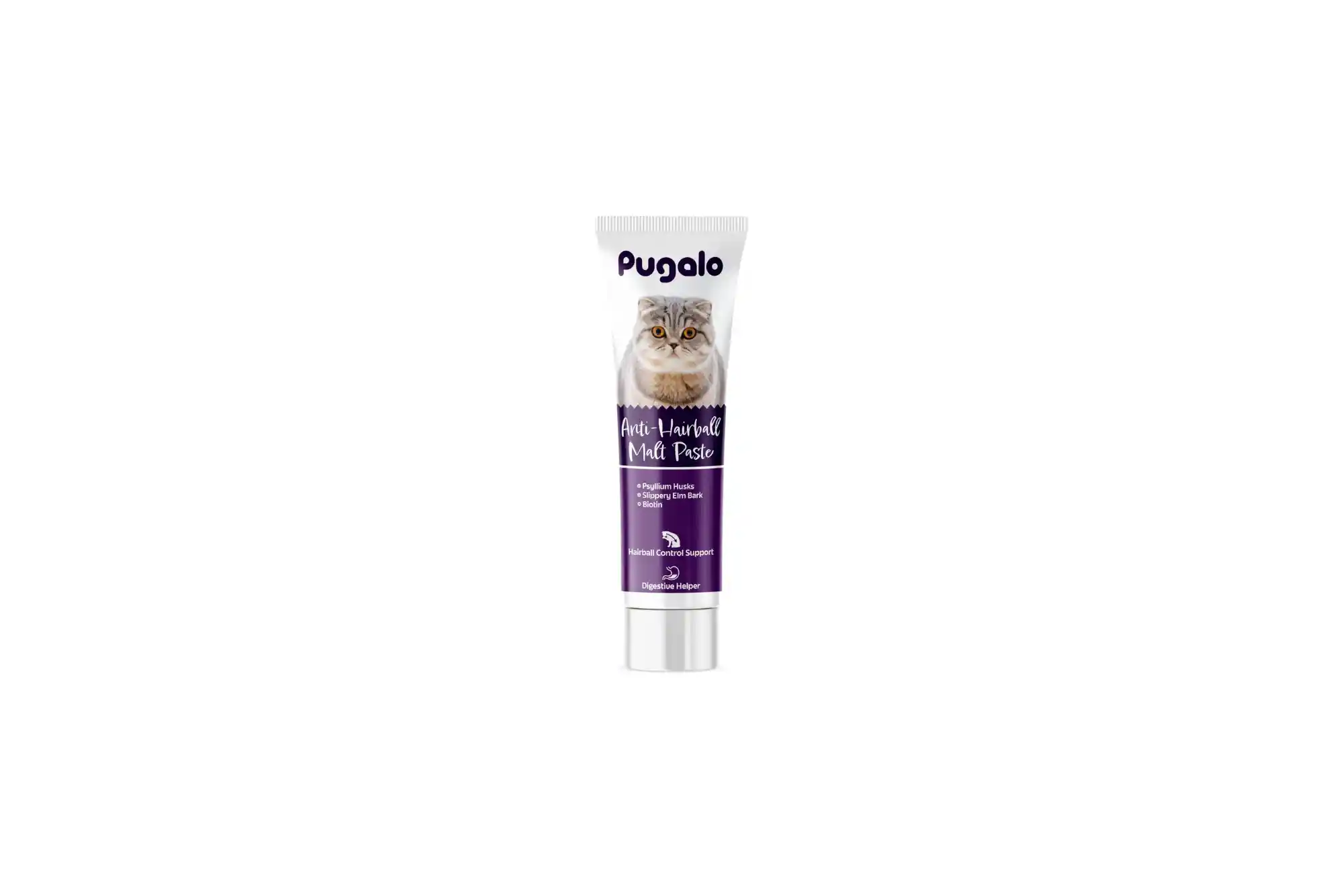
Malt paste is one of the most popular commercial remedies recommended by veterinarians and groomers worldwide. This remedy combines malt extract, healthy oils, plant fats, and added dietary fiber to break up fur accumulations inside the gut.
How Malt Paste Supports Gut Motility
Malt paste acts as both a gentle lubricant and a digestion enhancer. The malt extract softens dense masses of fur, while added oils help slip the hair through the intestinal loop. Unlike plain Vaseline, high-quality malt pastes often contain prebiotic fibers like psyllium husk or slippery elm bark to encourage natural bowel contractions.
Advantages of Malt Paste
Palatability is the single biggest advantage of commercial malt pastes. Manufacturers flavor these formulas with real chicken, fish, or cheese taste, turning treatment time into a treat experience. Most cats lap up the paste directly from a finger or tube.
Malt pastes are specifically designed for feline digestion, making them significantly safer for regular use than pure petroleum jelly. They provide predictable dosages and often contain added vitamins to support skin and coat health.
Drawbacks of Malt Paste
While highly effective, malt paste is more expensive than household petroleum jelly. Certain commercial brands contain added sugars, dairy derivatives, or high calorie counts that may lead to weight gain if overfed. Diabetic cats or pets with strict food allergies require careful ingredient checks before starting a malt paste routine.
High-Fiber Wet Diets: The Natural Preventive Solution
While Vaseline and malt paste act as temporary remedies, high-fiber wet diets target the underlying cause of hairball formation. Transitioning your cat to a moisture-rich, fiber-packed diet optimizes long-term digestive function, allowing the body to eliminate ingested fur naturally.
The Science of Fiber and Hydration
Dietary fiber plays two distinct roles in feline digestion: soluble fiber and insoluble fiber. Insoluble fiber adds bulk to the stool and stimulates physical peristalsis, sweeping loose fur along the digestive track. Soluble fiber absorbs water, forming a soft gel that keeps stool moist and comfortable to pass.
Cats evolved as desert animals with a low thirst drive, making hydration critical for gut function. Kibble-only diets can leave cats chronically under-hydrated, leading to dry, slow-moving intestinal contents that trap hair. High-fiber wet foods deliver vital moisture alongside dietary fiber, keeping stomach contents moving smoothly.
Advantages of High-Fiber Wet Diets
A high-fiber wet diet offers a complete daily solution without requiring forced pastes or gels. It improves overall gastrointestinal health, aids weight management, prevents painful constipation, and promotes healthy urinary tract function through higher water intake.
Drawbacks of High-Fiber Wet Diets
Dietary shifts take time to yield visible results. A high-fiber diet will not instantly clear an acute, dense hairball blockage the way a lubricant paste can. Premium wet foods also cost more than dry kibble, and picky eaters may resist sudden dietary changes if the transition occurs too quickly.
Additional Natural Ways to Prevent Feline Hairballs
Combining targeted remedies with everyday prevention habits yields the best results for your cat’s comfort and coat health.
Daily Grooming and Coat Maintenance
Brushing your cat daily is the most effective physical barrier against hairballs. Removing loose, dead fur with a stainless steel comb or slicker brush reduces the amount of hair your cat swallows while cleaning.
Plain Pumpkin Puree
Adding half a teaspoon of plain, canned pumpkin puree to your cat’s regular meals provides a gentle, natural boost of soluble fiber. Always ensure you buy 100% pure pumpkin, not pumpkin pie mix loaded with sugar and spices.
Fresh Cat Grass
Potted wheatgrass or oat grass gives indoor cats a safe, natural chewing outlet. The raw fiber content aids digestion and assists cats in moving swallowed hair through their digestive tract naturally.
Frequently Asked Questions
Can I give my cat Vaseline every day for hairballs?
No, you should never give your cat Vaseline on a daily basis. Daily use of petroleum jelly coats the intestinal wall, which can prevent your cat’s body from absorbing essential vitamins and fat-soluble nutrients. Limit petroleum jelly strictly to rare, temporary situations under veterinary guidance.
Is malt paste safe for cats with sensitive stomachs?
Yes, high-quality malt pastes are generally very safe for sensitive felines. However, owners should check the product label for common triggers like dairy, grain fillers, or artificial colorings. Choose grain-free, low-sugar malt pastes if your cat has a sensitive gastrointestinal system.
How long does it take for a high-fiber wet diet to stop hairballs?
A dietary transition typically takes two to four weeks to show noticeable improvements in hairball frequency. The extra moisture and fiber need time to regulate bowel movements and clear out lingering fur from the digestive tract.
When does a cat hairball become a medical emergency?
A hairball becomes an emergency when it creates a complete intestinal blockage. Contact your veterinarian immediately if your cat exhibits continuous unproductive retching, lethargy, loss of appetite, a swollen abdomen, or severe constipation.
Conclusion
Managing feline hairballs effectively comes down to choosing the safest, most sustainable remedy for your cat’s lifestyle. While petroleum jelly offers a quick emergency option, its potential to block nutrient absorption makes it unsuitable for long-term care. Commercial malt paste serves as a delicious, highly palatable weekly maintenance tool. Meanwhile, high-fiber wet diets deliver the ultimate long-term preventive defense by keeping gut motility active and the body fully hydrated.