Introduction
Resource guarding in dogs can make everyday activities stressful for owners. A dog might growl near its food bowl, freeze while holding a toy, or snap when someone approaches a valued possession. Although these behaviors can feel frightening, they often develop from a dog’s fear of losing something important.
Understanding resource guarding in dogs is the first step toward improving these situations. With patient training, positive reinforcement, and structured trade drills, many dogs can learn to feel safer around their belongings. The goal is not to force a dog to surrender everything. Instead, it is to build trust and teach the dog that human approaches bring positive experiences.
What Is Resource Guarding in Dogs?
Resource guarding occurs when a dog uses threatening or defensive behavior to protect something it considers valuable. These resources may include food, treats, toys, bones, sleeping areas, or even favorite people.
Some dogs show subtle warning signs, while others progress to growling, lunging, or biting. Therefore, recognizing early signals is essential for preventing escalation.
Common Signs of Resource Guarding
A dog experiencing resource guarding may stiffen its body when someone approaches. It might eat faster, hover over a bowl, or move away with a toy. Other warning signs include hard staring, lip lifting, growling, and snapping.
Importantly, not every dog displays all these behaviors. Some dogs become quiet and tense before showing more obvious aggression. Owners should take these changes seriously rather than waiting for a bite.

Why Do Dogs Guard Food and Toys?
Resource guarding can develop for several reasons. Some dogs have experienced food shortages or competition with other animals. Others learn that people frequently remove their belongings without offering anything in return.
Fear, stress, frustration, and individual temperament can also contribute. Puppies may develop guarding behaviors when competing for food or toys. However, adult dogs can develop these behaviors following changes in their environment.
Resource guarding does not automatically mean a dog is dominant or deliberately challenging its owner. Often, the behavior reflects concern about losing a valuable resource.
How Trade Drills Help With Resource Guarding in Dogs
Trade drills teach dogs that releasing an item can lead to something equally valuable or even better. Instead of forcibly removing a toy, the owner offers a reward that encourages the dog to release it voluntarily.
For example, a dog holding a toy may learn to drop it when offered a delicious treat. Once the dog releases the toy, the owner provides the treat and sometimes returns the toy.
This approach changes the dog’s expectations. Giving something up no longer automatically means losing it forever.
Why Positive Reinforcement Matters
Positive reinforcement rewards desirable behavior, making that behavior more likely to happen again. During trade drills, rewards help dogs associate releasing possessions with pleasant outcomes.
Punishment, yelling, and physical confrontation can increase fear and defensive reactions. Taking food away repeatedly may also teach a dog that human approaches predict loss.
Consequently, resource guarding in dogs should be addressed through safe management and carefully planned training. The process should remain gradual, allowing the dog to succeed without feeling threatened.
How to Practice Safe Trade Drills
Successful trade drills begin with a low-value item and a reward the dog genuinely enjoys. Choose a quiet room where the dog feels comfortable and interruptions are unlikely.
Start with an item the dog does not strongly protect. Avoid beginning with bones, food bowls, or highly treasured toys.
Teach Your Dog to Release a Toy
Offer your dog a familiar toy and allow it to hold the item comfortably. Keep a high-value treat ready, then present the treat near the dog’s nose without reaching for the toy.
When your dog releases the toy to take the treat, calmly praise the behavior. Pick up the toy only if doing so remains safe and comfortable for the dog.
Whenever appropriate, return the toy after the exchange. This teaches your dog that releasing an object does not always mean losing it permanently.
Repeat the exercise briefly and stop while your dog remains relaxed. Once the behavior becomes predictable, introduce a consistent verbal cue such as “drop.”
Introduce the Trade Cue Gradually
After your dog understands the exchange, say “drop” just before presenting the reward. When the dog releases the item, immediately provide the treat and praise.
Practice with different low-value toys as your dog’s confidence improves. Keep sessions short and avoid repeatedly testing the dog with difficult possessions.
If your dog stiffens, growls, or refuses to engage, stop the exercise. Increase the distance and return to an easier situation later. Never force the dog’s mouth open or grab the item.
Practice With Food-Related Resources Carefully
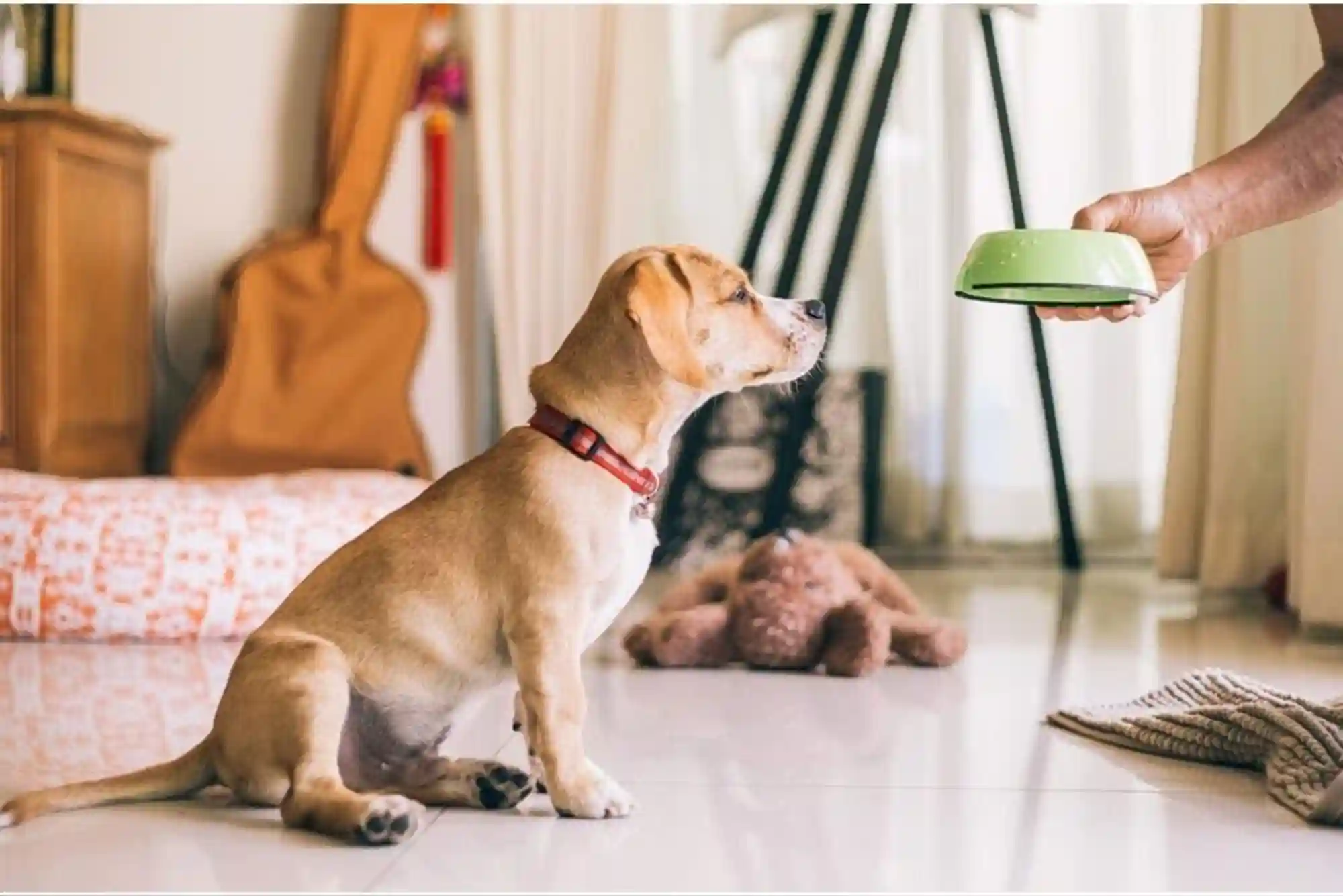
Food guarding requires additional caution because eating can be especially valuable to some dogs. Begin by helping your dog feel comfortable eating undisturbed in a secure location.
For dogs without a history of serious food guarding, carefully supervised counterconditioning may help. At a comfortable distance, an adult can approach briefly and toss a desirable treat toward the bowl without reaching for it.
The purpose is to teach the dog that a person’s presence predicts additional food rather than removal. Gradually adjust the distance only when the dog remains relaxed.
However, dogs that already growl, snap, lunge, or bite around food should not undergo close-range exercises without professional guidance. Never take a bowl away to test whether the dog is improving.
Mistakes to Avoid When Training Resource Guarding in Dogs
One common mistake is punishing a dog for growling. Growling communicates discomfort and provides an important warning. Punishing it may suppress the warning without resolving the underlying fear.
Another mistake is deliberately provoking guarding behavior. Repeatedly touching a dog’s food, removing toys, or approaching too closely can increase anxiety.
Owners should also avoid chasing dogs that steal objects. Chasing may turn possession into a game or make the dog more determined to protect the item.
Instead, prevent access to dangerous objects, supervise interactions, and use calm exchanges when appropriate. If the dog possesses something hazardous, avoid grabbing it from its mouth when there is a bite risk. Seek veterinary or professional guidance for safe removal.
Managing Resource Guarding in Multi-Pet Homes
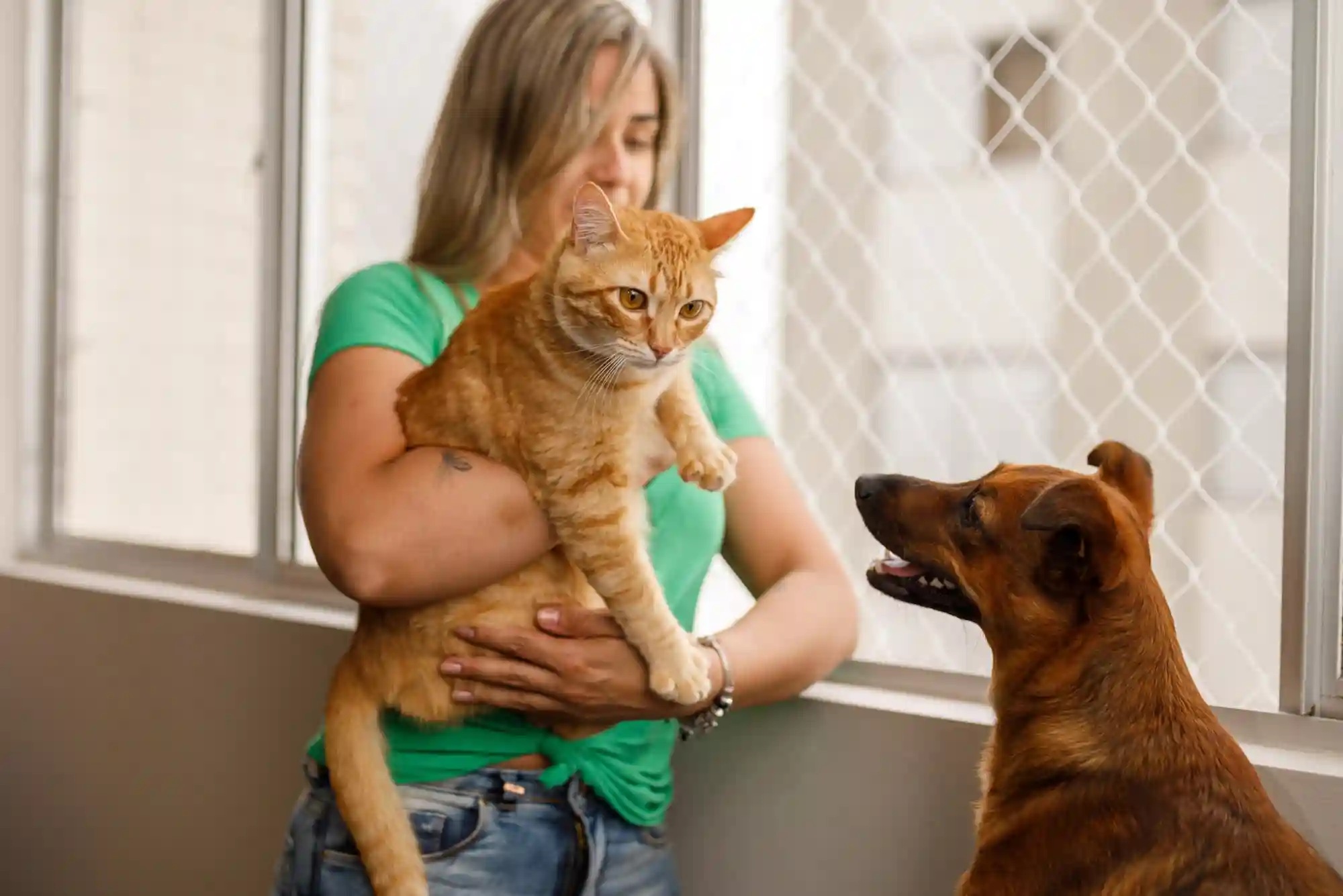
Resource guarding becomes more complicated when several pets share a household. Dogs may compete over food bowls, toys, resting places, and human attention.
Feed pets in separate rooms or behind secure barriers. Remove bowls after meals when appropriate, and prevent animals from approaching each other’s feeding areas.
Provide separate resting spaces and supervise access to particularly valuable toys. Avoid leaving high-value chews where pets can compete over them.
Children require special protection around guarding dogs. Teach them never to approach a dog while it eats, sleeps, or holds a valued object. Children should not participate in trade drills.
If a dog has bitten someone or repeatedly threatens other animals, seek help from a qualified professional experienced in aggression and resource guarding.
When Should You Seek Professional Help?
Professional assistance is important when resource guarding involves snapping, lunging, biting, or escalating threats. It is also advisable when the behavior appears suddenly or becomes significantly worse.
A veterinarian can investigate possible pain or medical conditions contributing to behavioral changes. A qualified veterinary behaviorist or experienced reward-based behavior professional can develop an individualized training plan.
Avoid trainers who recommend intimidation, forced submission, or routinely taking possessions away. These methods can increase risk in dogs that already feel threatened.
Progress should be measured through relaxed body language and reduced anxiety, not simply through a dog’s willingness to surrender possessions. Some dogs require ongoing management, even after their behavior improves.
How Long Does It Take to Stop Resource Guarding in Dogs?
There is no universal timeline for changing resource guarding behavior. Mild cases may improve with consistent management and carefully structured training. More severe cases can require weeks or months of professional support.
Progress depends on the dog’s history, the value of the guarded resource, environmental stress, and the consistency of training.
Avoid rushing through trade drills to meet a deadline. Moving forward too quickly can undermine trust and increase the risk of defensive behavior.
Instead, focus on small improvements. A dog that remains relaxed when someone walks past its feeding area has made meaningful progress, even before it can comfortably exchange toys.
Frequently Asked Questions
Can resource guarding in dogs be cured?
Resource guarding can often be reduced through management, positive reinforcement, and behavior modification. However, some dogs remain sensitive around particular resources. Continued supervision and preventive routines may be necessary.
Should I take my dog’s food away to prevent aggression?
No. Repeatedly removing food can increase anxiety and strengthen guarding behavior. Allow your dog to eat in peace and seek professional guidance when food-related aggression occurs.
Does growling always mean a dog will bite?
Growling is a warning that a dog feels uncomfortable or threatened. It does not guarantee a bite, but it should never be ignored or punished. Increase distance and address the underlying concern safely.
What is the best way to stop a dog from guarding toys?
Begin with safe, low-value toys and teach voluntary exchanges using appealing rewards. Return the toy when appropriate so the dog learns that releasing possessions can produce positive outcomes. Severe guarding requires professional supervision.
Why has my dog suddenly started guarding its food?
Sudden guarding may relate to stress, environmental changes, competition, or pain. Arrange a veterinary assessment, especially when the behavior is new or accompanied by other changes. Avoid testing the dog by approaching its bowl.
Build Trust Through Safe Trade Drills
Resource guarding in dogs can be challenging, but understanding the behavior makes safer training possible. Dogs need to learn that people approaching their possessions do not automatically threaten their security.