Introduction
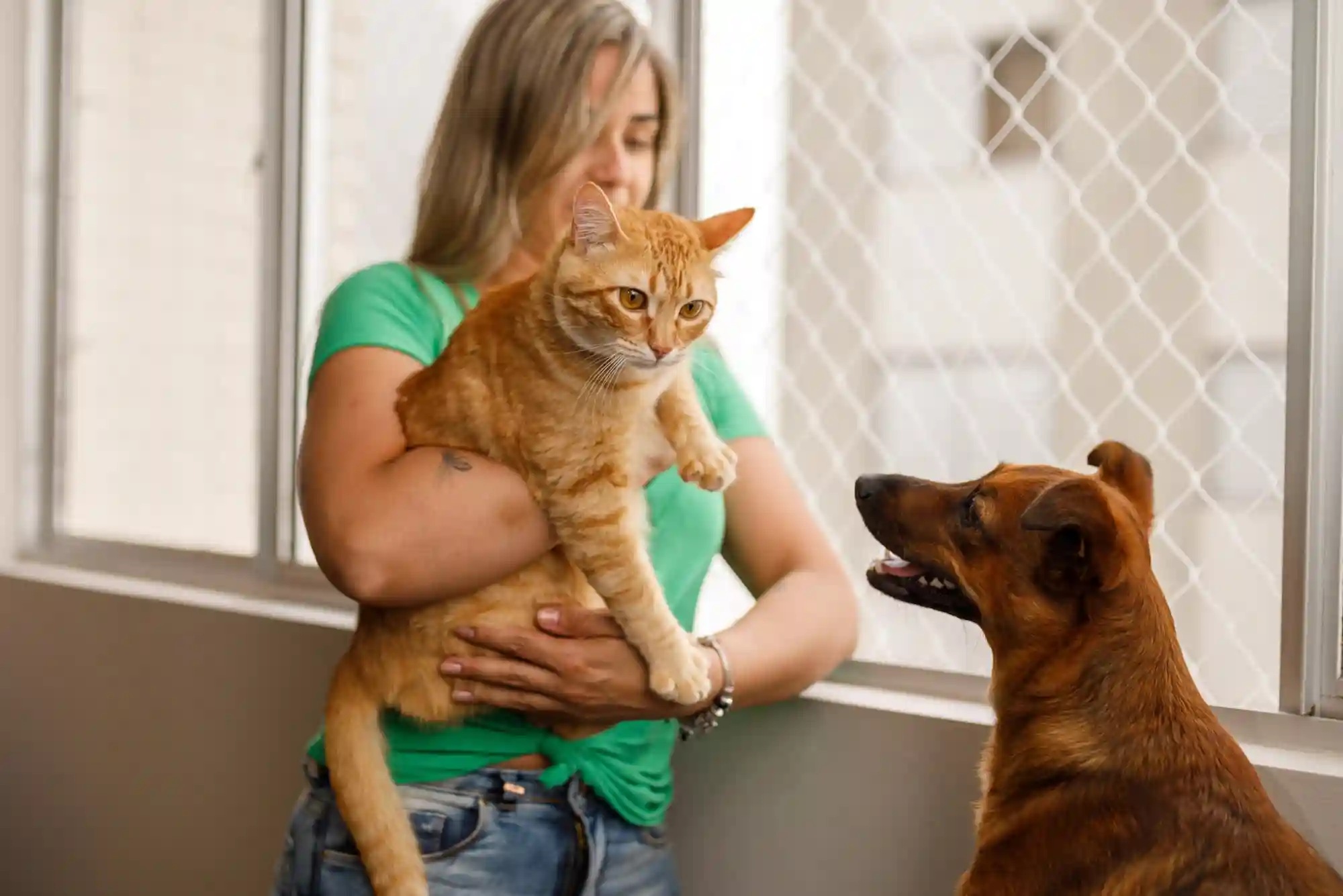
Introducing a new cat to a dog requires patience, preparation, and careful supervision. Although some pets become companions quickly, others need several weeks to feel comfortable together. Understanding How to Introduce a New Cat to a Dog: Scent Swapping and Visual Barrier Protocols can help prevent stress and encourage a peaceful relationship.
Cats and dogs communicate differently. Dogs may approach enthusiastically, while cats often prefer distance and predictable surroundings. Without proper preparation, these differences can cause fear, chasing, or defensive aggression.
Fortunately, scent swapping and visual barriers allow both animals to become familiar gradually. These techniques reduce direct pressure and help pets develop positive associations. With a thoughtful introduction plan, you can create a safer environment for everyone.
Why Proper Cat and Dog Introductions Matter
A successful introduction begins before the animals meet face-to-face. Both pets need time to adjust to unfamiliar smells, sounds, and routines. Rushing this process can increase anxiety and make future interactions more difficult.
Cats generally feel safer when they control their surroundings. They need hiding places, elevated resting areas, and unrestricted access to essential resources. Dogs, meanwhile, benefit from clear boundaries and calm behavioral expectations.
When considering how to introduce a new cat to a dog, remember that individual temperament matters more than breed stereotypes. A calm dog may accept a cat easily, while another may show intense chasing behavior. Similarly, a confident cat may adjust quickly, whereas a fearful cat might need additional time.

The goal is not immediate friendship. Instead, both animals should gradually learn that sharing a home does not threaten their safety.
Prepare Your Home Before the Introduction
Preparation creates a foundation for a calmer transition. Before bringing the animals together, establish separate spaces where each pet can relax without interference.
Your cat should have a dedicated room containing food, fresh water, a litter box, scratching surfaces, comfortable bedding, and hiding places. Keep the litter box away from food and water whenever possible.
Your dog should have a separate resting area and access to familiar toys. Maintain regular feeding, walking, and exercise routines to reduce unnecessary excitement.
Provide the cat with escape routes and elevated surfaces. Cat trees, sturdy shelves, and furniture can offer valuable retreat options. Ensure these areas remain inaccessible to the dog.
Install secure baby gates or other appropriate barriers where necessary. The cat must not become trapped during an encounter. Check that the dog cannot push through the barrier or reach the cat.
These preparations make it easier to introduce a new cat to a dog without forcing either animal into an uncomfortable situation.
How Scent Swapping Helps Cats and Dogs Adjust
Scent swapping is an important early step in introducing unfamiliar pets. Animals rely heavily on smell when gathering information about their surroundings. Familiarizing them with each other’s scent can reduce the surprise of a later meeting.
Start With Bedding and Soft Items
Begin by exchanging blankets, towels, or bedding used by each animal. Place the dog’s scented item in the cat’s room, away from essential resources. Introduce the cat’s scented item in an area where the dog relaxes.
Allow each pet to investigate voluntarily. Avoid pushing an item toward the animal’s face or placing it directly beside food. Some pets need repeated, brief exposures before becoming comfortable.
Observe their reactions carefully. Sniffing and walking away are normal responses. Relaxed investigation suggests curiosity, while persistent avoidance or agitation may indicate discomfort.
If either pet reacts negatively, increase the distance or remove the item temporarily. Try again later with a less intense exposure.
Exchange Scents Through Room Rotation
Once both animals tolerate exchanged bedding, consider controlled room rotation. Secure the dog elsewhere and allow the cat to explore a safe part of the home. Later, place the cat in its secure room and let the dog investigate the cat’s previous space.
Never allow an accidental meeting during this process. The purpose is to explore unfamiliar scents without direct contact.
Keep these sessions short initially. Reward calm investigation with treats or praise when appropriate. Over time, both pets can become more comfortable with the other’s presence.
Scent swapping does not guarantee compatibility. However, it helps establish familiarity before visual contact begins.
Using Visual Barriers for Safe Introductions
Visual barriers allow cats and dogs to see one another without having unrestricted physical access. This stage should begin only when both animals remain reasonably calm around exchanged scents.
Begin With Limited Visual Contact
A secure baby gate can provide a useful starting point if it prevents the dog from reaching the cat. For some households, a screen door or another sturdy barrier may be more appropriate.
Start with enough distance that both animals can remain relaxed. Keep initial sessions brief and end them before either pet becomes overwhelmed.
The cat should have an easy escape route and should never be held in place. Likewise, prevent the dog from rushing toward the barrier or barking continuously.
Reward the dog for looking at the cat and then turning away calmly. Offer the cat treats or play if it willingly engages. Never force either animal to approach.
If the cat hides, growls, or repeatedly attempts to escape, increase the distance. If the dog fixates, lunges, or becomes difficult to redirect, end the session safely.
Gradually Increase Exposure
Once both pets tolerate brief visual contact, gradually extend the sessions. Maintain enough distance to prevent staring, chasing, or defensive behavior.
You can also pair these encounters with enjoyable activities. For example, the dog might receive treats for calm behavior while the cat enjoys a favorite toy nearby.
Avoid feeding both animals too close together if either becomes protective of food. Keep their feeding areas separate until their relationship is well established.
Progress depends on behavior, not a fixed schedule. Some animals advance within days, while others need several weeks or longer.
Moving From Barriers to Supervised Meetings
Direct meetings should begin only when both pets remain calm during repeated visual encounters. The dog should respond reliably to basic cues, particularly recall and settling. A qualified reward-based trainer can help if these skills are inconsistent.
Choose a quiet room with sufficient space and multiple escape routes. Keep the dog on a secure leash held by an adult. Allow the cat to move freely and retreat whenever necessary.
Start at a comfortable distance. Reward the dog for remaining relaxed and responding to its handler. Let the cat decide whether to investigate.
Do not carry the cat toward the dog or encourage nose-to-nose contact. Such interactions can leave the cat feeling trapped and increase the risk of injury.
Keep early meetings short. Separate the animals while both remain calm, rather than waiting until one becomes distressed.
Gradually increase the duration when both pets consistently demonstrate relaxed behavior. Continue using barriers whenever direct supervision is unavailable.
Even after several successful meetings, never assume the animals are ready to remain alone together. Some dogs retain strong predatory instincts, and some cats remain vulnerable around energetic animals.
Recognizing Stress and Positive Body Language
Understanding body language helps you decide when to continue or pause an introduction.
A relaxed dog may have loose muscles, a soft expression, and the ability to respond to familiar cues. Calmly looking away from the cat is especially encouraging.
A dog that becomes rigid, stares intensely, stalks, lunges, or repeatedly attempts to chase requires greater distance and careful management. Do not assume that a wagging tail always indicates friendliness.
A comfortable cat may explore, groom, play, or rest while the dog remains visible. However, hiding, flattened ears, a tucked tail, hissing, or repeated attempts to flee suggest discomfort.
Occasional hissing can be a normal warning. Never punish a cat for communicating that it needs space.
If either animal shows escalating fear or aggression, stop the session and return to an earlier stage. Persistent problems warrant guidance from a veterinarian or qualified animal behavior professional.
Common Mistakes to Avoid
One of the most common mistakes is rushing introductions because the animals appear curious. Curiosity does not necessarily mean they are ready for close contact.
Another mistake is allowing the dog to chase the cat, even briefly. Chasing can frighten the cat and reinforce an undesirable behavior in the dog. Prevent it from happening rather than relying on corrections afterward.
Never leave unfamiliar pets together unsupervised. Also, avoid holding the cat during introductions or blocking its escape route. Both practices can increase fear and the risk of defensive scratching.
Punishment is equally unhelpful. Shouting at a growling dog or hissing cat may suppress warnings without resolving the underlying discomfort.
Instead, reduce pressure, reward calm behavior, and progress at a pace both animals can tolerate.
Frequently Asked Questions
How long does it take for a cat and dog to get along?
Some cats and dogs adjust within a few days, while others need several weeks or months. Their temperaments, previous experiences, and environment influence the timeline. Progress should depend on relaxed behavior rather than a predetermined deadline.
Should I let my dog smell my new cat?
Yes, controlled scent exposure can help your dog become familiar with the cat before meeting face-to-face. Exchange bedding or allow the dog to investigate areas the cat has occupied. Keep the animals physically separated during this stage.
What is the best way to introduce a cat to a dog?
The safest approach begins with separate spaces and scent swapping. Next, introduce limited visual contact through a secure barrier. Once both animals remain calm, begin short, supervised meetings with plenty of distance and escape options.
Can a cat and dog share a home peacefully?
Yes, many cats and dogs learn to coexist peacefully. However, successful cohabitation depends on individual behavior, appropriate introductions, and ongoing management. Some pets become close companions, while others are most comfortable maintaining separate spaces.
What should I do if my dog chases my cat?
Separate the animals safely and return to controlled introductions. Prevent further chasing by using secure barriers and a leash during supervised sessions. If the dog repeatedly fixates on or pursues the cat, consult a qualified behavior professional before attempting closer contact.
Conclusion
Learning how to introduce a new cat to a dog requires consistency, patience, and respect for each animal’s boundaries. Scent swapping builds familiarity, while visual barriers provide controlled opportunities to observe one another safely.