Introduction
Canine cognitive dysfunction (CCD) is an age-related condition that affects a dog’s memory, learning, awareness, and behavior. It resembles dementia in humans and commonly develops in senior dogs. As dogs age, changes in their brains can affect everyday activities, nighttime sleep, and interactions with their families.
Canine Cognitive Dysfunction (CCD): Managing Dementia and Sleep Cycle Changes in Senior Dogs requires patience, careful observation, and appropriate veterinary care. Although this condition cannot currently be cured, supportive treatment and environmental adjustments can help affected dogs remain comfortable.
Recognizing the early warning signs is essential. With the right approach, owners can reduce confusion, improve sleep routines, and maintain a meaningful bond with their aging companions.
What Is Canine Cognitive Dysfunction?
Canine cognitive dysfunction is a progressive neurological condition associated with aging. Changes in brain function can affect a dog’s ability to recognize familiar surroundings, follow established routines, and respond appropriately to everyday situations.
Some dogs develop mild behavioral changes initially. Others experience more noticeable confusion, disrupted sleep, or changes in social behavior. Symptoms usually become more apparent over time, although their severity varies between individuals.
Importantly, not every behavioral change in an older dog indicates dementia. Pain, hearing loss, vision problems, kidney disease, and other medical conditions can produce similar signs. Therefore, veterinary assessment is essential before assuming that cognitive dysfunction is responsible.

Common Signs of Canine Cognitive Dysfunction in Senior Dogs
Early symptoms can be subtle and easy to overlook. Owners may initially attribute unusual behavior to normal aging. However, repeated changes deserve attention, especially when they interfere with daily life.
Disorientation and Confusion
A dog experiencing cognitive decline may appear lost in familiar rooms or stand facing a wall. Some dogs become trapped behind furniture because they cannot work out how to move around it. Others forget the location of their food bowls or struggle to find familiar doors.
These behaviors may occur occasionally at first. As the condition progresses, confusion can become more frequent and distressing.
Changes in Social Interaction
Cognitive dysfunction can change how dogs interact with their families. A previously affectionate dog might become withdrawn or show less interest in greeting familiar people.
Conversely, some dogs become unusually clingy and seek constant reassurance. They may follow their owners from room to room or become anxious when left alone.
House-Soiling and Forgotten Habits
Previously house-trained dogs may begin urinating or defecating indoors. They might forget established routines or fail to signal when they need to go outside.
However, sudden house-soiling can also indicate urinary infections, digestive problems, or other medical issues. A veterinary examination helps identify the actual cause.
Changes in Activity and Anxiety
Some senior dogs develop repetitive behaviors, including pacing, wandering, or circling. Others become restless without an obvious reason.
In addition, affected dogs may bark more frequently, appear unusually fearful, or struggle to settle. These changes can become particularly noticeable during the evening and nighttime.
Understanding Sleep Cycle Changes in Senior Dogs
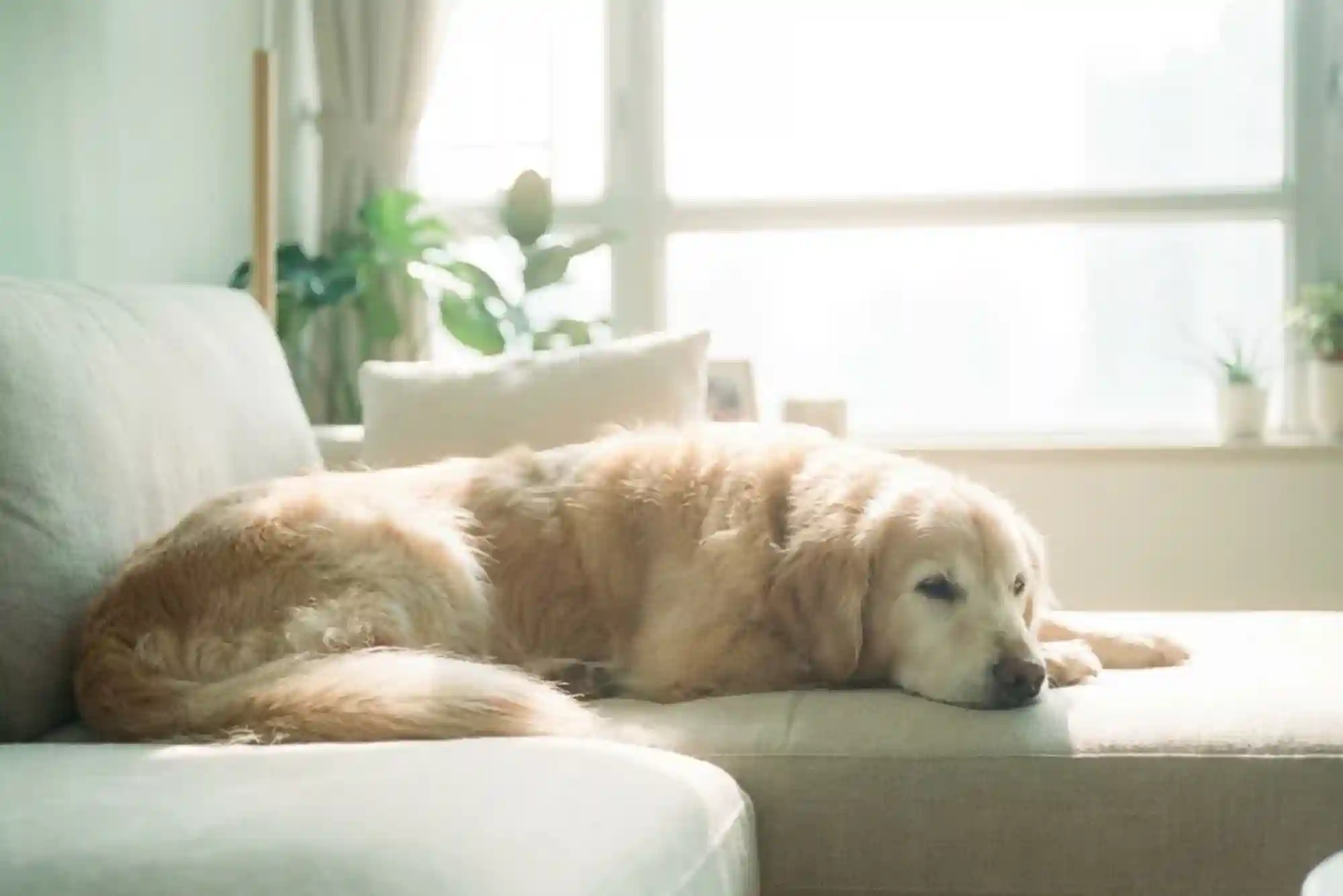
Sleep disturbances are among the most challenging aspects of canine cognitive dysfunction. Many affected dogs sleep excessively during the day but become restless after sunset.
This reversal of normal sleep patterns can leave owners exhausted. It may also increase a dog’s confusion and anxiety.
Why Do Dogs With Dementia Become Restless at Night?
Age-related changes in brain function can interfere with normal sleep-wake regulation. Affected dogs may wake repeatedly, wander around the house, vocalize, or ask to go outside without needing to eliminate.
Some dogs appear frightened when they wake in darkness. Others pace continuously or struggle to recognize their surroundings.
Pain, increased urination, digestive discomfort, and anxiety can also interrupt sleep. Consequently, nighttime restlessness should not automatically be attributed to dementia.
How to Improve a Senior Dog’s Sleep Routine
A consistent daily schedule can help reduce confusion. Feed your dog at regular times and maintain predictable walking, play, and bedtime routines.
Encourage gentle daytime activity and natural daylight exposure. Short walks and supervised opportunities to explore can support healthy daily rhythms without exhausting an older dog.
Before bedtime, offer a calm bathroom break and a comfortable sleeping area. Keep the room familiar and avoid sudden changes to furniture placement.
If your dog becomes disoriented in darkness, consider a soft night-light. A familiar blanket and a quiet sleeping space may also provide reassurance.
Avoid punishing nighttime barking or accidents. These behaviors may reflect confusion or discomfort rather than deliberate disobedience.
Managing Canine Cognitive Dysfunction at Home
Home management focuses on reducing confusion, maintaining healthy routines, and helping dogs feel secure. Small adjustments can make everyday activities easier for an aging pet.
Create a Safe and Familiar Environment
Keep furniture, food bowls, water bowls, and bedding in consistent locations. Avoid rearranging rooms unnecessarily because familiar layouts can help dogs navigate their surroundings.
Use nonslip mats on slippery floors and install barriers near stairs when necessary. Remove obstacles from frequently used pathways to reduce the risk of falls.
If your dog struggles to find the garden door, establish a predictable route and provide gentle guidance. Supervision becomes increasingly important as disorientation progresses.
Maintain Gentle Physical Activity
Regular movement supports mobility and general well-being. Short, comfortable walks can provide exercise and opportunities to investigate familiar smells.
However, adapt activity to your dog’s physical abilities. Senior dogs with arthritis or heart problems may need shorter sessions and additional rest.
Gentle indoor games can also provide mental stimulation. Simple scent activities and familiar commands encourage engagement without creating unnecessary frustration.
Provide Mental Enrichment
Mental stimulation can help maintain engagement and improve daily quality of life. Offer suitable puzzle feeders, supervised sniffing activities, or easy scent-finding games.
Keep activities simple enough to prevent frustration. If your dog repeatedly struggles with a puzzle, choose an easier alternative.
Rotate a few familiar activities rather than introducing too many new experiences. Predictability can be particularly helpful for dogs experiencing cognitive decline.
Support Emotional Comfort
Dogs with cognitive dysfunction may become anxious when they cannot understand their surroundings. Calm reassurance and predictable interactions can help them feel secure.
Speak gently before touching a dog that appears confused, particularly if hearing or vision has declined. Sudden approaches can startle even a normally friendly pet.
If separation increases anxiety, consider adjusting your routine or arranging appropriate companionship. Avoid forcing interactions when your dog appears overwhelmed.
Veterinary Diagnosis and Treatment Options
There is no single test that confirms canine cognitive dysfunction in every dog. Veterinarians generally evaluate behavioral changes, review medical history, and investigate alternative explanations.
A physical examination may be accompanied by blood tests, urine testing, neurological assessment, or additional investigations. These checks help identify conditions that can mimic cognitive decline.
Medication and Veterinary Support
Veterinarians may recommend medication to manage particular symptoms or support affected dogs. Selegiline is approved for canine cognitive dysfunction in some countries, although availability and prescribing guidance vary.
The appropriate treatment depends on the dog’s medical history, symptoms, and other medications. Never give human sleep aids or calming medicines without veterinary approval.
Your veterinarian may also assess pain, anxiety, and other conditions that interfere with sleep. Treating these problems can improve comfort, even when cognitive changes remain.
Nutrition and Supplements
Some veterinary diets are formulated to support aging brain function. Certain formulations contain antioxidants, omega-3 fatty acids, or medium-chain triglycerides.
However, nutritional approaches are not guaranteed to reverse dementia. Evidence varies between products, and supplements can interact with medications or existing health conditions.
Discuss dietary changes with your veterinarian before introducing a new product. A balanced diet that meets your dog’s individual needs remains essential.
How to Recognize Progression and Maintain Quality of Life
Canine cognitive dysfunction generally progresses over time, although the pace differs between dogs. Some remain relatively stable for periods, while others develop increasingly disruptive symptoms.
Keep a simple record of sleeping patterns, appetite, accidents, confusion, mobility, and social behavior. This information can help your veterinarian evaluate changes and adjust treatment.
Quality of life depends on more than cognitive ability. Comfort, appetite, mobility, enjoyment, social connection, and the ability to rest all matter.
Seek veterinary advice if your dog develops worsening nighttime distress, stops eating, experiences repeated falls, or seems persistently uncomfortable. Sudden confusion, seizures, collapse, or abrupt neurological changes require urgent veterinary assessment because other serious conditions may be responsible.
With thoughtful care, many senior dogs can continue enjoying familiar activities and positive interactions. The goal is to preserve comfort, dignity, and meaningful moments throughout their later years.
Frequently Asked Questions
What are the first signs of dementia in dogs?
Early signs may include disorientation, altered sleep patterns, reduced social interaction, increased anxiety, and house-soiling. Some dogs forget familiar routines or appear confused in places they know well. Veterinary assessment helps distinguish cognitive dysfunction from other medical conditions.
How can I help my dog with dementia sleep at night?
Maintain a consistent bedtime, encourage gentle daytime activity, and provide natural daylight exposure. Offer a bathroom break before bed and create a comfortable, familiar sleeping environment. If nighttime restlessness continues, consult your veterinarian to investigate pain, anxiety, urinary problems, and cognitive dysfunction.
How long can a dog live with canine cognitive dysfunction?
There is no single life expectancy for dogs with cognitive dysfunction. The condition’s progression varies according to individual health, symptom severity, and other age-related problems. Veterinary monitoring and appropriate supportive care can help maintain quality of life.
Can canine cognitive dysfunction be reversed?
Canine cognitive dysfunction is generally considered a progressive condition, and there is currently no established cure. Nevertheless, veterinary treatment, environmental adjustments, suitable nutrition, and consistent routines may help manage symptoms and support daily comfort.
What is the best treatment for canine cognitive dysfunction?
The best approach depends on the dog’s symptoms and overall health. A veterinarian may recommend medication, dietary support, behavioral adjustments, and treatment for other medical conditions. Combining appropriate veterinary care with a stable home environment often provides the most comprehensive support.
Conclusion
Canine cognitive dysfunction can affect a senior dog’s memory, behavior, awareness, and sleep patterns. Although these changes can be difficult for families, early recognition and appropriate care can make daily life more manageable.
Consistent routines, gentle exercise, mental enrichment, and a safe sleeping environment can support comfort and reduce confusion. Veterinary assessment is equally important because several treatable conditions can resemble dementia.